
Harriet Tubman: Liberation Through Land and Survival Medicine

When Harriet Tubman is remembered in American history, she is often described as a conductor of the Underground Railroad, a fearless gun toting abolitionist, and a woman of extraordinary courage. She is credited with leading dozens of enslaved people to freedom and assisting hundreds more through her service as a scout, spy, and nurse during the Civil War.
Yet Harriet Tubman’s story is also deeply rooted in land knowledge and healing traditions. She was a woman who understood the language of forests, wetlands, roots, and wild plants. She carried not only routes to freedom but also knowledge that helped sustain the health and survival of those she guided.
Tubman’s life reminds us that liberation has always required both resistance and restoration. It required knowledge of how to move through landscapes safely, how to nourish weakened bodies, how to restore calm and how to use plant medicine as protection when formal healthcare was inaccessible or denied.
During this Black History Month, I feel called to lift up Harriet Tubman not only for her courage, but for her healing knowledge. We honor her leadership often, but we speak less about the plant wisdom and survival intelligence that sustained her journeys. This month, I want to honor that part of her legacy.
You see, Harriet did not just move people across borders. She moved knowledge. She carried survival medicine in memory and understood plant allies as strategy. She understood that healing and liberation are inseparable. Food and medicine were never side notes. They were strategy.
This is not history. This is infrastructure.
Harriet Tubman’s Early Life and Formation of Plant Knowledge
Harriet Tubman was born Araminta “Minty” Ross around 1822 on Maryland’s Eastern Shore in Dorchester County, a region defined by tidal marshlands, dense hardwood forests, open meadows, and waterways connected to the Chesapeake Bay. This ecosystem is biologically diverse and rich with medicinal plant life.
Tubman was born into enslavement and experienced labor demands from early childhood. Like many enslaved children, she was hired out to neighboring farms and households. She worked as a nursemaid, field laborer, and timber worker, often spending long hours in forests, wetlands, and agricultural fields. These landscapes served as both workplace and classroom.
Tubman’s connection to endurance and healing was shaped by a traumatic injury she experienced as a young teenager. Around the age of twelve or thirteen, while working in a dry goods store, Tubman was caught in a violent incident when an overseer attempted to stop an enslaved man from escaping. When Tubman refused to help restrain him, the overseer threw a heavy iron weight intended for the fleeing man. The object struck Tubman directly in the head, fracturing her skull and leaving her unconscious for days. Historical accounts describe her being sent back to work far too soon, receiving little to no formal medical care. Tubman would suffer lifelong consequences from this injury, including chronic headaches, seizures, and sudden episodes of sleep or unconsciousness.
Within African American folk healing traditions, recovery from severe injury often relied on community caregiving, rest, prayer, and plant-based remedies used to reduce inflammation, ease pain, and support nervous system recovery. Tubman’s survival and eventual return to strength speaks not only to her physical resilience but also to the community healing traditions that sustained many enslaved people when institutional care was denied.
In enslaved African American communities, knowledge was rarely written down due to literacy restrictions and cultural protection of sacred knowledge. Instead, herbal wisdom was passed through:
• Midwives who supported childbirth and women’s health
• Root workers who treated illness and injuries
• Elders who taught plant identification and preparation
• Caregivers who maintained community wellness

These knowledge systems blended West African ethnobotanical traditions with Indigenous American plant knowledge and Southern folk medicine practices. This blending created what scholars now identify as African American folk herbalism — a survival science shaped by displacement, adaptation, and resilience.
Tubman is believed to have absorbed this knowledge through observation, apprenticeship, and lived experience. Her ability to navigate land and use plant medicine later became critical during her liberation missions.
Tubman’s Herbal Knowledge as a Tool of Liberation
Between 1850 and 1860, Tubman made approximately thirteen missions into slaveholding territories to guide enslaved people northward toward freedom. These journeys were conducted largely at night and often required traveling through swamps, forests, farmland, and river crossings.
Freedom seekers traveling with Tubman frequently endured:
• Severe physical exhaustion
• Untreated wounds and infections
• Exposure to cold and damp environments
• Malnutrition and dehydration
• Emotional trauma and fear of capture
Historical accounts and oral traditions suggest Tubman used herbal remedies to support survival during these journeys. She reportedly used plant-based preparations to treat wounds, reduce fevers, calm anxiety, and support respiratory health during prolonged travel through harsh environmental conditions.
Because secrecy was essential to survival, detailed written records of herbal use were rarely documented. However, ethnobotanical research and African American folk medicine traditions from the region allow historians to identify plants commonly used in Tubman’s environment and time period.
Five Herbs Rooted in African American Folk Healing Traditions
Sassafras (Sassafras albidum) — The Circulation and Spring Cleansing Root

Sassafras is a native North American tree found throughout the Eastern United States, including Maryland’s Eastern Shore. It is easily recognizable by its distinct aromatic scent and uniquely shaped leaves, which may appear oval, mitten-shaped, or three-lobed on the same tree.
Ethnobotanical History
Indigenous communities across Eastern North America used sassafras for centuries as a medicinal and ceremonial plant. Enslaved Africans and their descendants adopted and adapted this knowledge into African American folk medicine traditions.
Sassafras root bark became widely known as a spring tonic used to restore vitality after winter, a time when diets were limited and bodies were weakened by cold conditions.
Traditional Folk Uses
• Blood purification and circulation support
• Digestive stimulation
• Joint and inflammatory support
• Spring detoxification tonic
Sassafras and Root Beer
Historically, sassafras root was the primary flavoring ingredient in traditional root beer and sarsaparilla beverages during the 18th and 19th centuries. Its sweet, earthy aroma made it popular across Southern and rural communities.
In the 1960s, researchers isolated a compound in sassafras called safrole, which was linked to cancer in high-dose laboratory animal studies. As a result, the FDA banned commercially produced sassafras containing safrole from mass food production. Modern root beer is typically made using artificial flavoring or safrole-free extracts.
Many herbalists today still recognize sassafras as culturally significant and occasionally use it in small traditional quantities, while emphasizing moderation and informed herbal practice.
Pine (Pinus species) — The Survival Forest Medicine
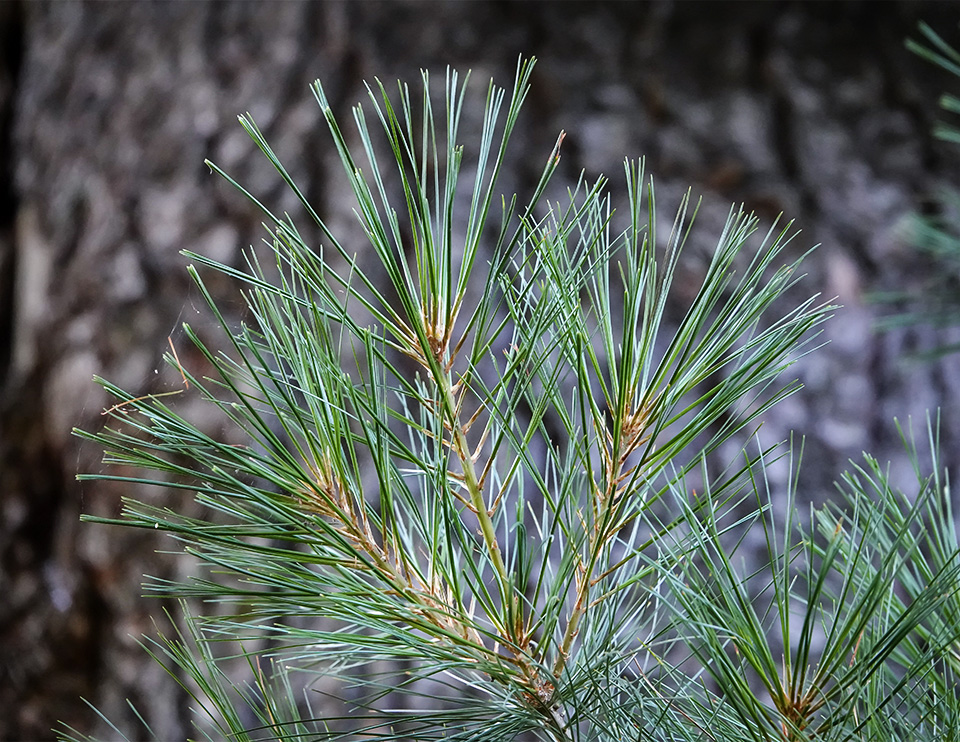
Pine trees are among the most important survival plants found throughout Eastern North America. Nearly every part of the pine tree has been historically used in folk medicine across African American, Indigenous, and rural Appalachian healing traditions.
Ethnobotanical History
Pine needles, resin, bark, and pollen have been used medicinally for centuries. Enslaved communities living in forested environments relied heavily on pine due to its accessibility and versatility.
Traditional Folk Uses
• Pine needle tea as a vitamin C-rich immune tonic
• Pine resin used as antimicrobial wound dressing
• Steam inhalation for respiratory congestion
• Anti-inflammatory and antimicrobial support
Pine needle tea was especially valuable in preventing scurvy during winter and extended travel. Pine resin, sometimes referred to as “forest salve,” was traditionally applied to minor wounds to create a protective barrier against infection.
Yarrow (Achillea millefolium) — The Wound and Fever Field Medic

Yarrow is a hardy flowering plant found across meadows, grasslands, and woodland edges. It has a long history of use across European, Indigenous American, and African American folk medicine traditions.
Ethnobotanical History
Yarrow has been used for thousands of years and was historically known as “soldier’s woundwort” due to its ability to stop bleeding and support tissue repair. African American healers incorporated yarrow into folk remedies used in both field medicine and household healing.
Traditional Folk Uses
• Stops minor bleeding
• Supports wound healing
• Reduces fever through diaphoretic sweating
• Anti-inflammatory support
Yarrow could be crushed and applied directly to wounds, making it invaluable during survival journeys where formal medical supplies were unavailable.
Cotton Root Bark (Gossypium herbaceum & related species) — The Hidden Women’s Medicine

Cotton root bark holds one of the most complex and powerful histories in African American folk herbalism. While cotton is most often remembered as a symbol of forced labor and exploitation in the American South, the plant itself also carried hidden medicinal knowledge preserved by enslaved African women and midwives.
Ethnobotanical History
African women brought deep reproductive herbal knowledge with them through the transatlantic slave trade. Many West African healing traditions included plant-based medicines used to support menstruation, childbirth, postpartum recovery, and reproductive health. When enslaved Africans were forced into cotton agriculture, women observed and adapted the medicinal properties of the cotton plant itself, particularly the root bark.
Historical accounts and oral traditions describe enslaved women using cotton root bark teas and decoctions as reproductive medicine. It was sometimes used to regulate menstruation, support difficult labor, and, in some cases, as a form of resistance by attempting to prevent or terminate pregnancy under brutal conditions of enslavement.
Because enslaved women were often subjected to forced reproduction and sexual violence, cotton root bark became part of a hidden survival knowledge system carried quietly among women healers and midwives.
Traditional Folk Uses
• Menstrual regulation and uterine stimulation
• Support during labor and childbirth
• Postpartum recovery support
• Women’s reproductive health care
Cotton root bark contains natural compounds known to stimulate uterine activity, which made it both a powerful and carefully guarded herbal medicine.
Cultural Significance
The story of cotton root bark represents the dual nature of plants within African American history. Cotton fields were sites of unimaginable suffering, yet enslaved women transformed the plant into a tool of bodily autonomy and healing knowledge. This reflects a broader pattern within African American folk medicine — reclaiming land and plants as sources of power even within oppressive systems.
Modern Herbal Safety Considerations
Cotton root bark is considered a strong reproductive herb and should only be used under guidance from experienced herbal practitioners. It is not considered safe for casual or unsupervised use, particularly during pregnancy.
Cotton is not just a historical symbol to me — it is part of my family’s living memory. My mother often told stories about her childhood spent picking cotton in the rural South. During harvest season, she and many other children would be absent from school because their labor was needed to help sustain their family through the season. She described long days under the sun, moving row by row through the fields, and the sharp cotton burs that would poke and blister her hands. Those stories were never told with romantic nostalgia. They were told with honesty — about survival, sacrifice, and the quiet strength required to endure work that demanded both body and spirit.
When I study the history of cotton root bark and its role in African American folk herbalism, I carry those stories with me. The cotton plant carries both the memory of exploitation and the preserved knowledge of women who transformed it into medicine and autonomy. It reflects generations of forced labor, yet it also holds the memory of women who transformed that same plant into medicine and bodily autonomy. My mother’s stories remind me that the legacy of cotton did not end with emancipation. It lived on through sharecropping, economic survival, and family labor that sustained communities through seasons of scarcity.
Today, many herbalists, including myself, study cotton root bark as part of historical reproductive justice and ancestral healing knowledge rather than everyday herbal practice.
Calendula (Calendula officinalis) — The Skin Healing Flower

Calendula has long been used in European, Indigenous, and African American folk medicine traditions as a powerful skin-healing herb. It became especially important in rural healing traditions where antiseptic care was limited.
Ethnobotanical History
Calendula was commonly infused into oils and salves by midwives and folk healers to treat wounds, burns, rashes, and skin infections.
Traditional Folk Uses
• Supports wound healing and tissue repair
• Reduces skin inflammation and irritation
• Provides antimicrobial protection
• Supports minor burn and rash healing
Calendula continues this healing lineage through Yisrael Farms’ handcrafted botanical body care products, specifically our Calendula Lemongrass Soap Bar. Calendula is one of the foundational herbs used in traditional salves and skin care remedies because of its gentle yet effective restorative properties.
****************************************
Freedom Journey Inspired Herbal Tea
Ingredients
• Small piece sassafras root bark
• 1 teaspoon pine needles
• 1 teaspoon dried yarrow
• ½ teaspoon grated ginger
• 2 cups water
• Raw honey optional
Directions
Simmer herbs for 10–15 minutes. Strain and drink warm.
Traditional Purpose
Supports circulation, respiratory health, wound recovery, and immune resilience.
****************************************
Reclaiming Plant Knowledge Today
Today, I have noticed most people cannot identify the plants growing in their own neighborhoods. We have traded plant knowledge for product dependency. We have traded land literacy for supply chains. Harriet Tubman carried plant medicine because survival required it. Modern culture convinces us survival requires a receipt. That lie keeps communities dependent.
We reject it.
🌱 Practice: Reclaim One Plant
This week, I invite you to begin rebuilding your relationship with the land:
• Identify one plant growing in your area.
• Learn its traditional medicinal or cultural use.
• Document what you learn in a journal or photo.
• Share that knowledge with someone younger than you.
• Share the plant you discovered in the comments section of this blog so we can learn together.
Liberation spreads through memory.
Plant literacy is not a hobby. It is inheritance.
Harriet Tubman’s Legacy and Modern Land Stewardship
Harriet Tubman’s knowledge of plants reflects a broader tradition of land literacy preserved within African American communities. Herbal medicine was not separate from survival — it was part of a sophisticated knowledge system built through observation, experience, and ancestral teaching.
At Yisrael Farms, within our Botanical Uprising offerings, we don’t treat herbs as ingredients. We treat them as teachers. Calendula. Yarrow. Lemongrass. Plants that have supported communities long before synthetic systems replaced soil knowledge with labels.
Every jar and bar we craft is a continuation of that lineage.
Harriet Tubman understood what modern systems have forgotten:
Control food.
Control medicine.
Protect community.
As an herbalist and co-founder of Yisrael Farms, I do not read Harriet Tubman’s story as distant history. I read it as instruction. I read it as land literacy. The ethos of Yisrael Farms calls us to steward with intention, to innovate with ancestral wisdom, and to build community through access to land and knowledge. Tubman embodied all three. Her understanding of terrain, her trust in plant medicine, and her commitment to collective survival reflect the same principles we practice on our farm today — that healing is inseparable from freedom, and that land knowledge is a form of power. Every time we grow herbs, craft salves, or teach plant identification, we are not recreating something new - we are continuing a lineage.
Harriet Tubman carried freedom in one hand and healing knowledge in the other. Her story reminds us that liberation has always depended on land wisdom, community care, and preservation of ancestral knowledge.
As we honor her legacy, may we continue tending the land, sharing plant medicine, and nurturing wellness for generations to come.
--
References
National Women’s History Museum – Harriet Tubman Biography
https://www.womenshistory.org/education-resources/biographies/harriet-tubman
Herbert C. Covey. African American Slave Medicine: Herbal and Non-Herbal Treatments. Lexington Books, 2007.
College of Physicians Medicinal Practices of Enslaved Peoples
Tea Photo courtesy of Mountain Rose Herbs.
My mother, Elouise Jones.
Most excellent article! She healed many more people than she freed, yet it is seldom mentioned that she was a healer, just barely mentioned that she was a nurse. Thank you for enlightening this aspect of her life!